From August 1 to September 9, 2024, as part of the Moscow 2030 Forum Festival. The City of the Future" was a large-scale interactive exhibition that introduces residents and guests of the capital to the key areas of social development of the city.
Our goal was to create an exhibition that would not only showcase Moscow's strategic initiatives in the fields of healthcare, education, and longevity, but also do so in a fascinating, engaging way. It was important to find a balance between information saturation and accessibility to a wide audience.
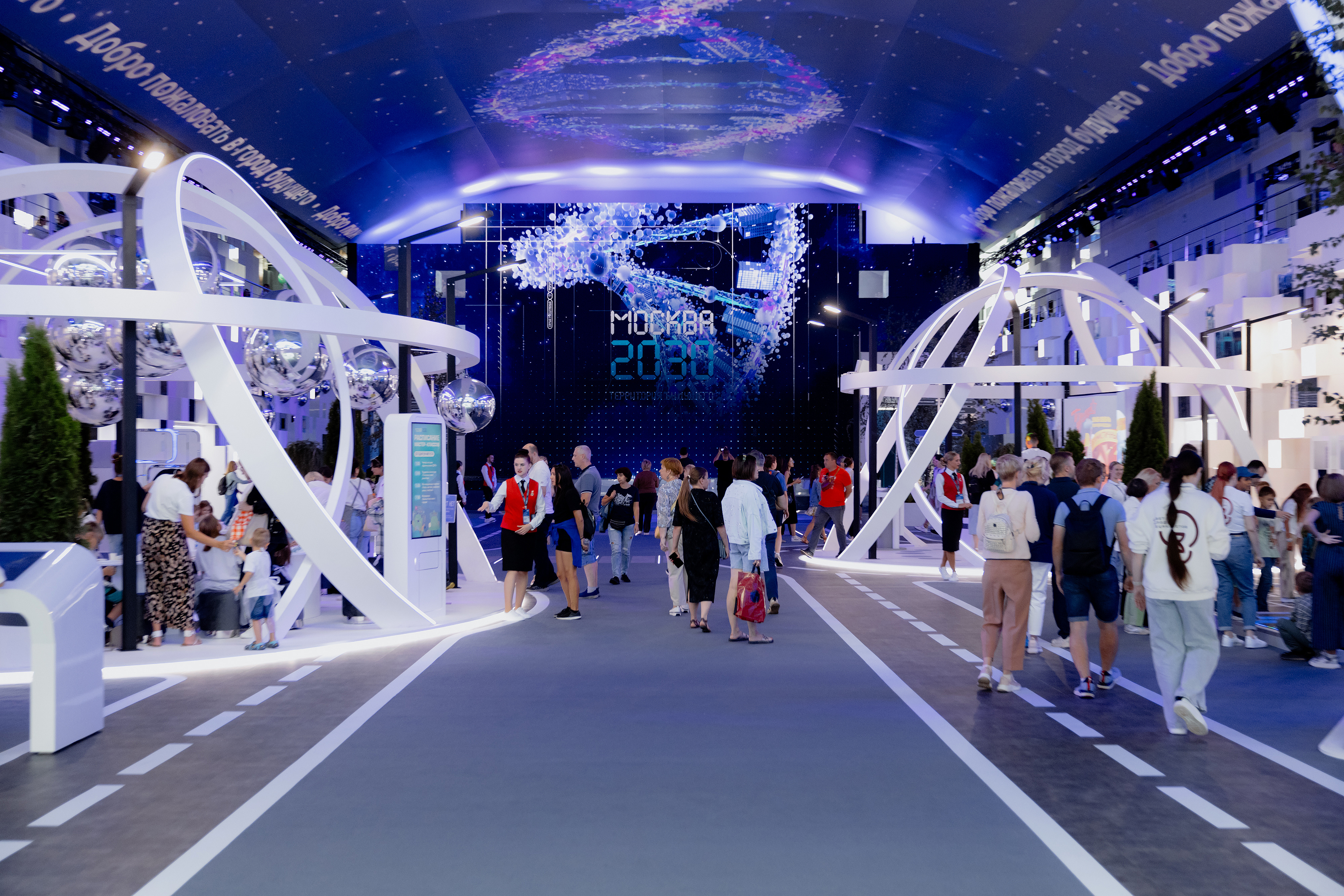
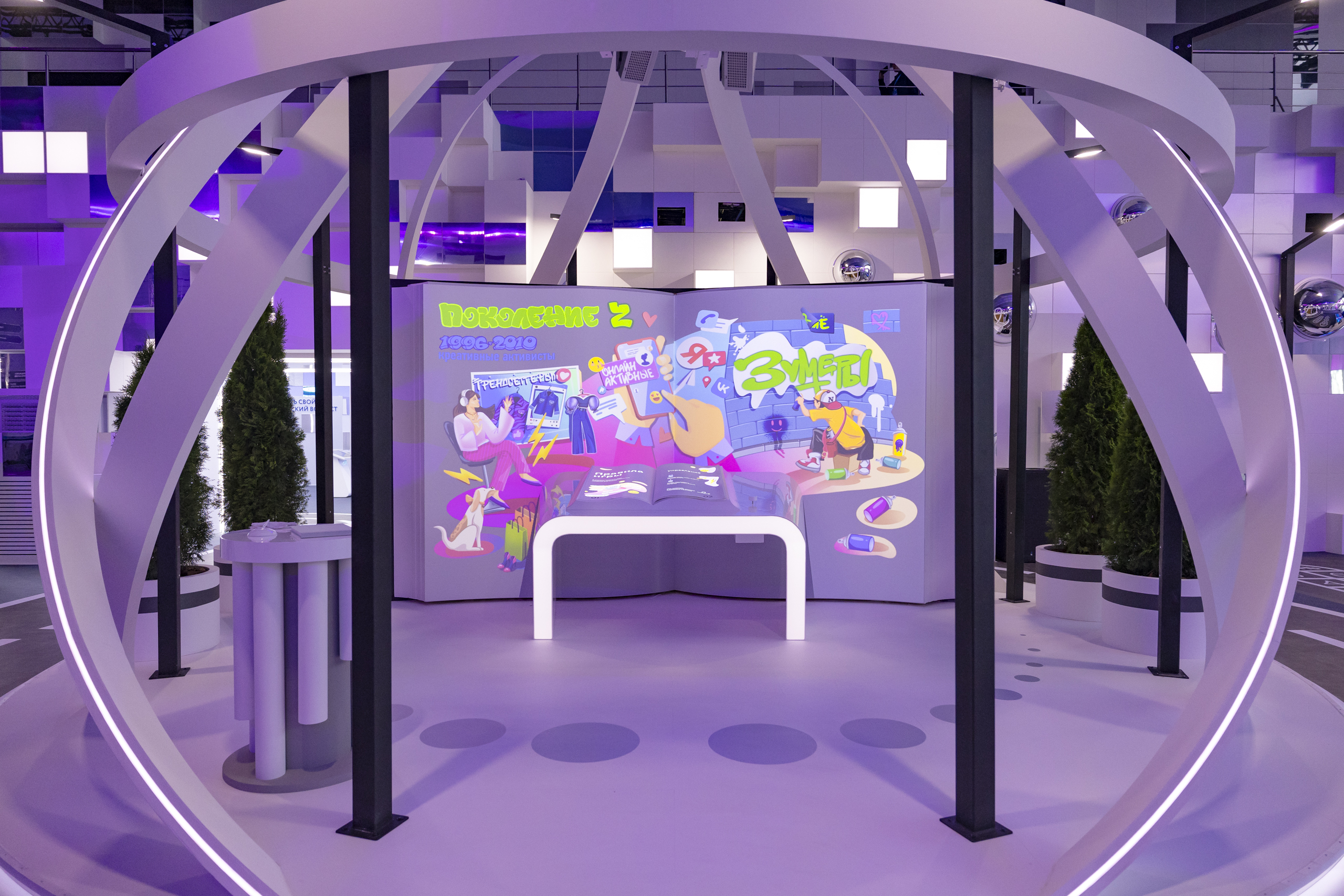
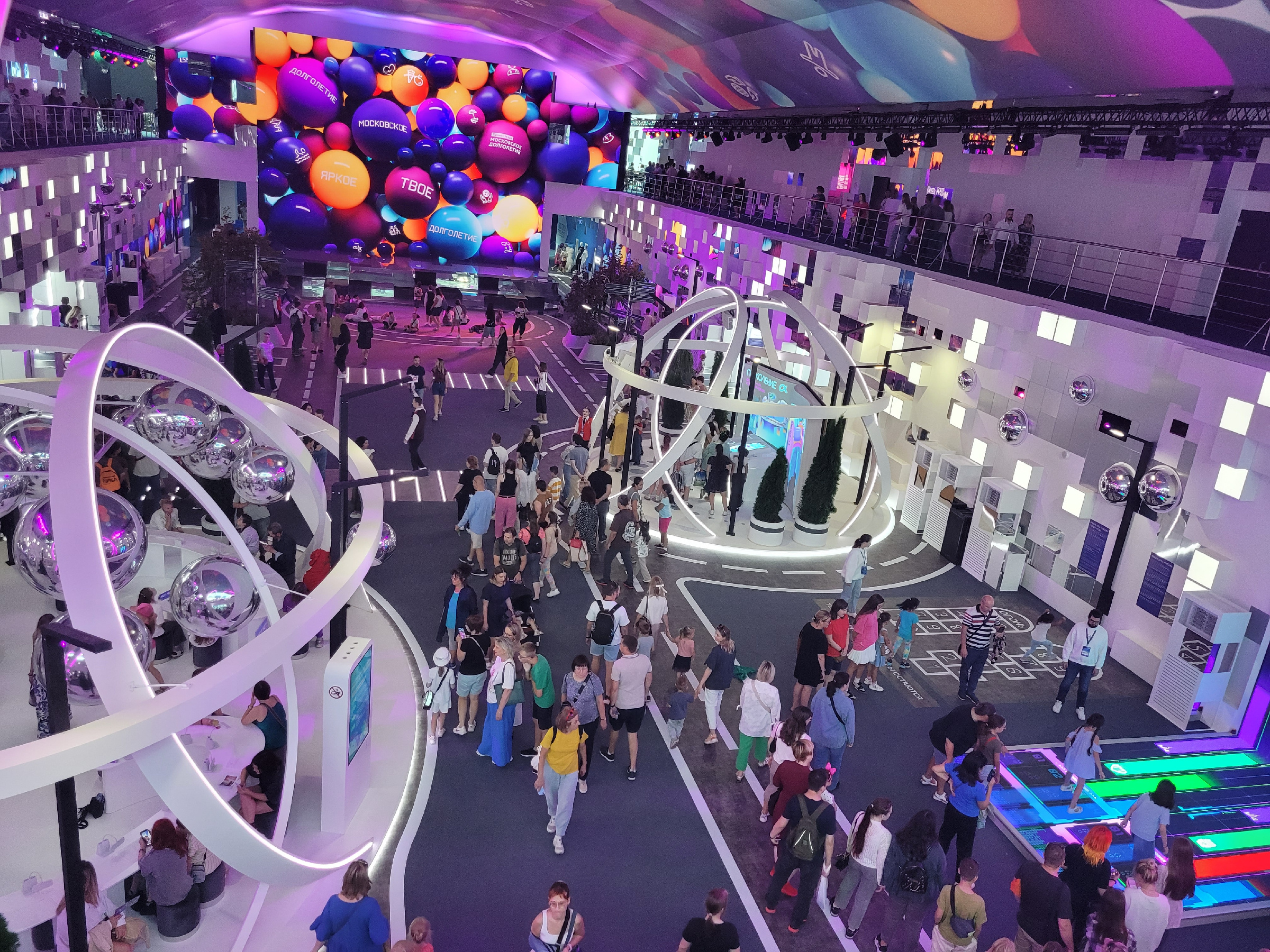
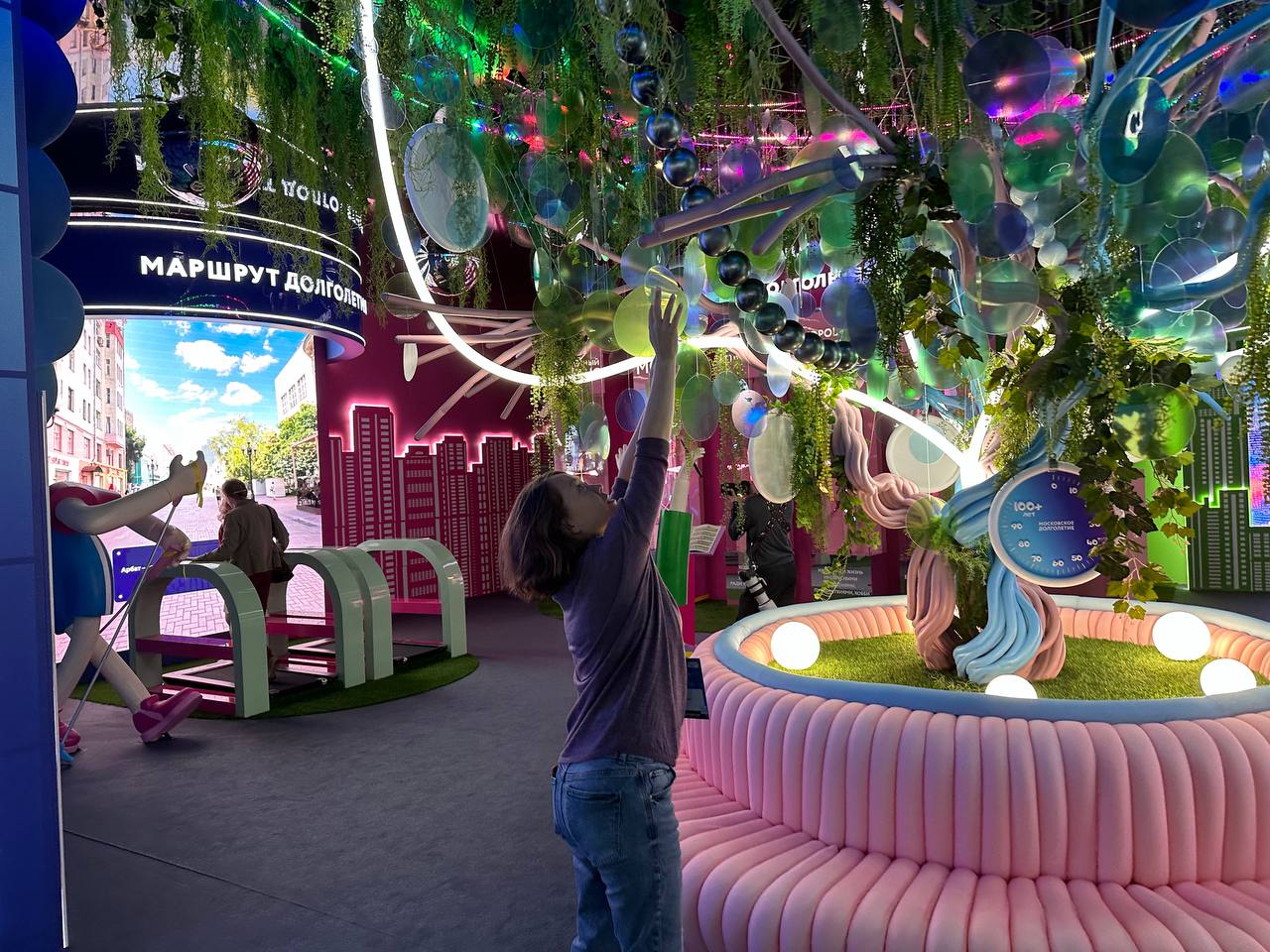
We presented Moscow of the future in the format of an interactive city, where each district and alley illustrated one of the directions of the capital's development. Visitors not only got acquainted with the facts, but also could experience them for themselves through multimedia installations, game mechanics and digital technologies.
The exposition represents a small city, each district and alley of which imitate the directions of social development of the capital. The exhibition included such areas as:
- The Alley of Future Technologies, a medical sector with interactive presentations on personalized medicine and the latest diagnostic methods.
- The Avenue of Knowledge is an educational center where visitors could try on the professions of the future.
- Not Old Arbat is a multimedia guided tour that talks about new approaches to active longevity.
- The Crossroads of the Looking Glass is an art zone with creative digital installations.
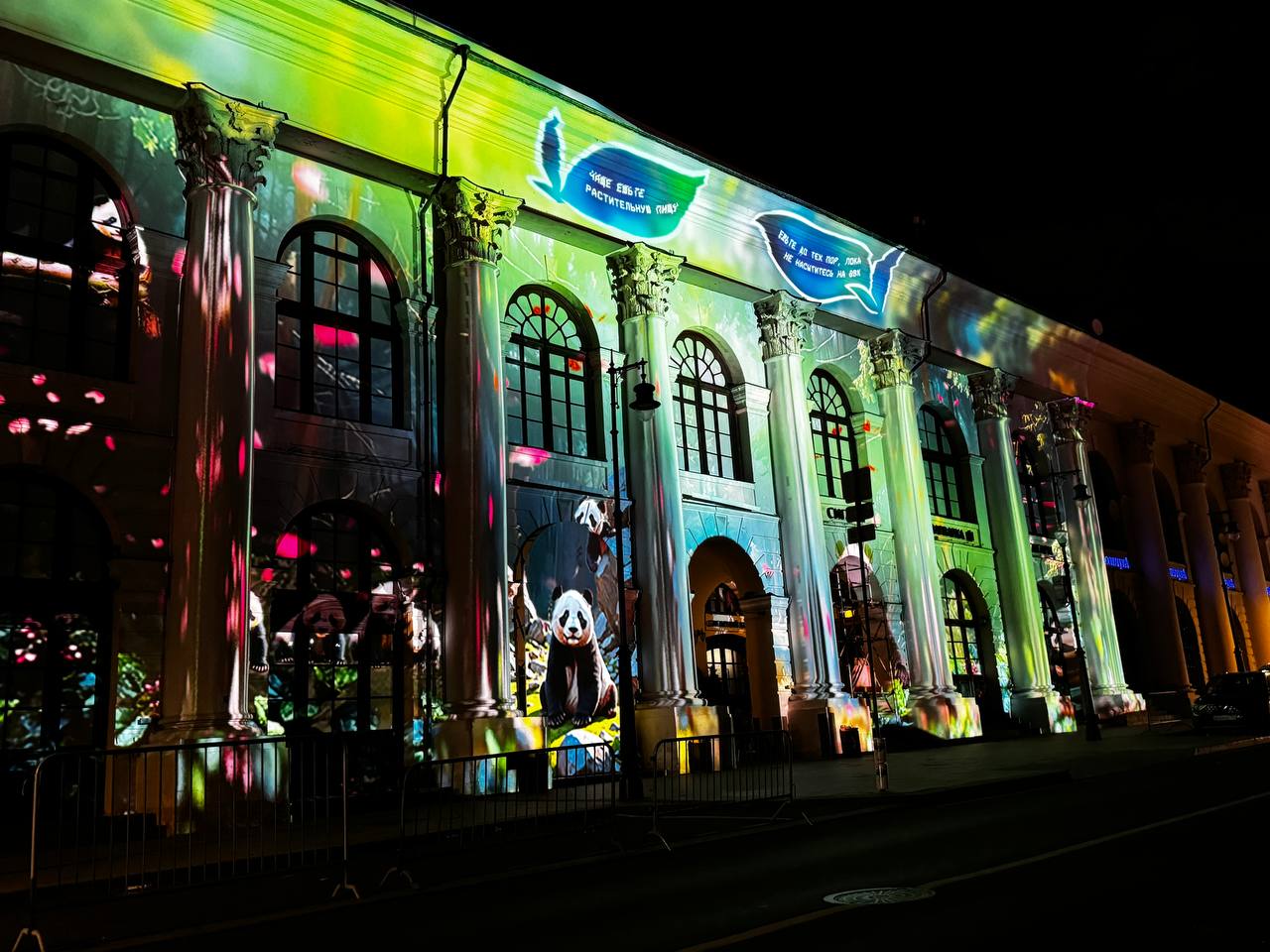
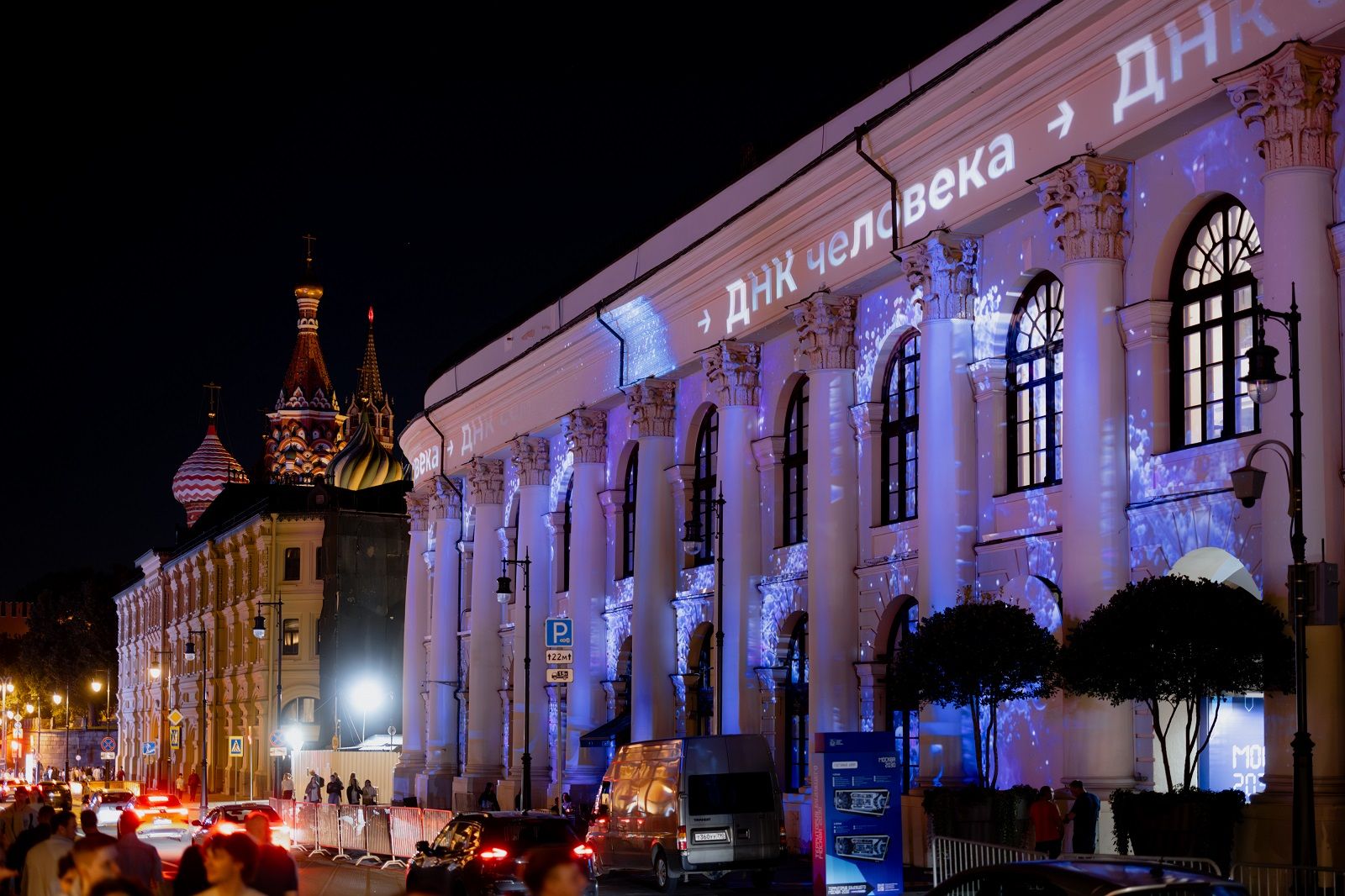
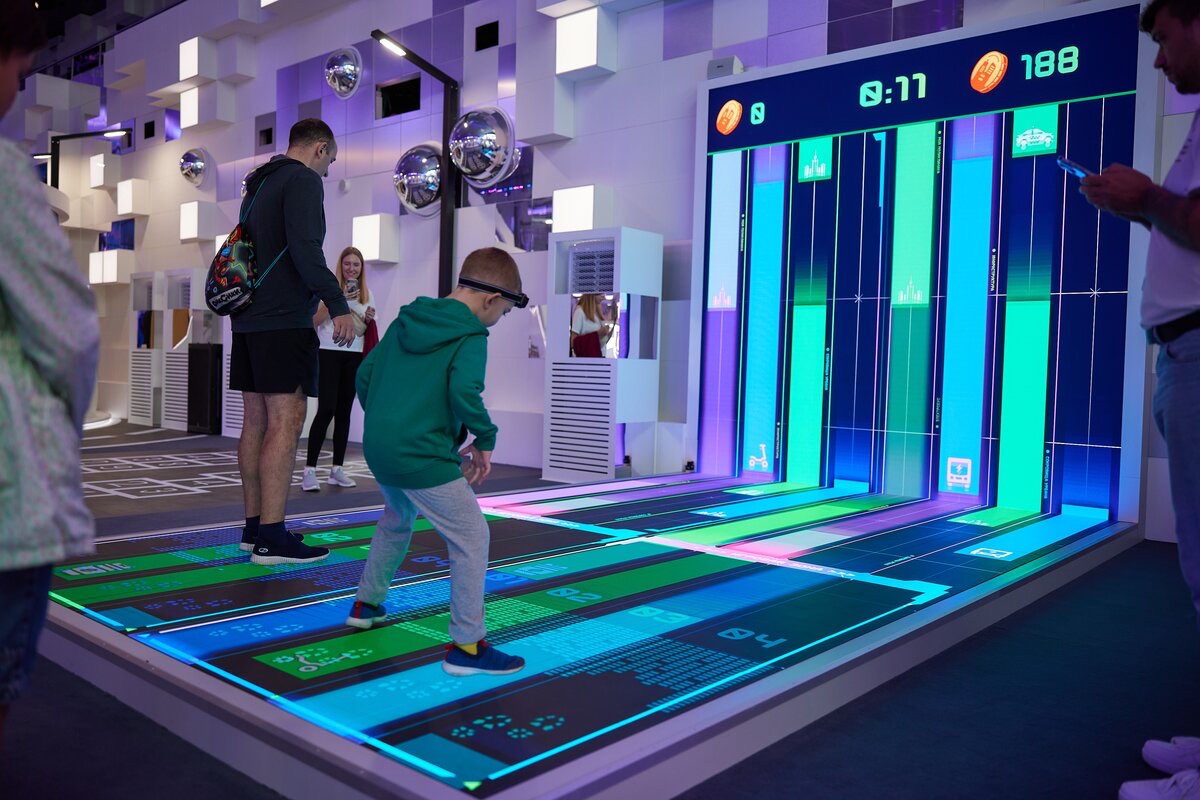
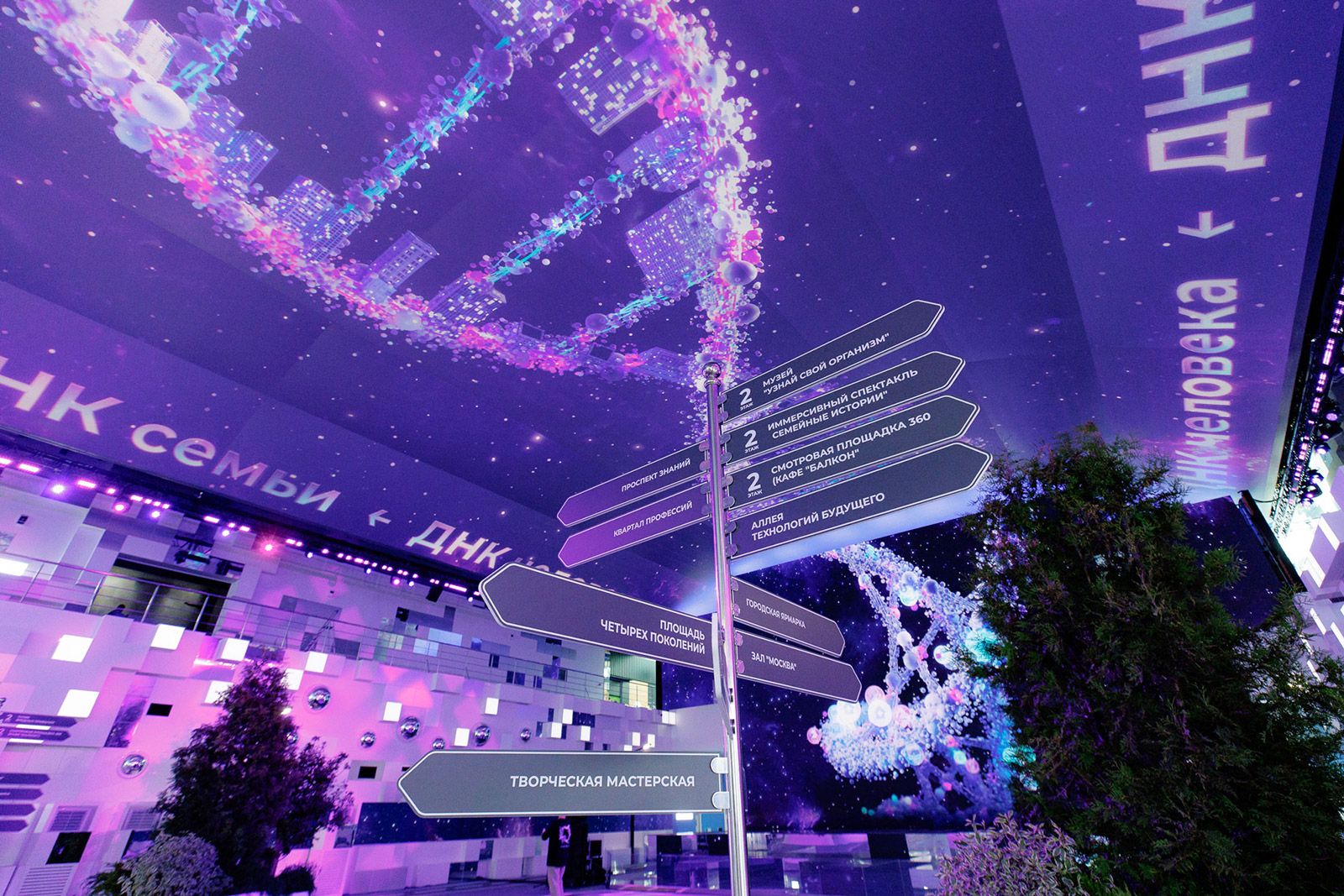
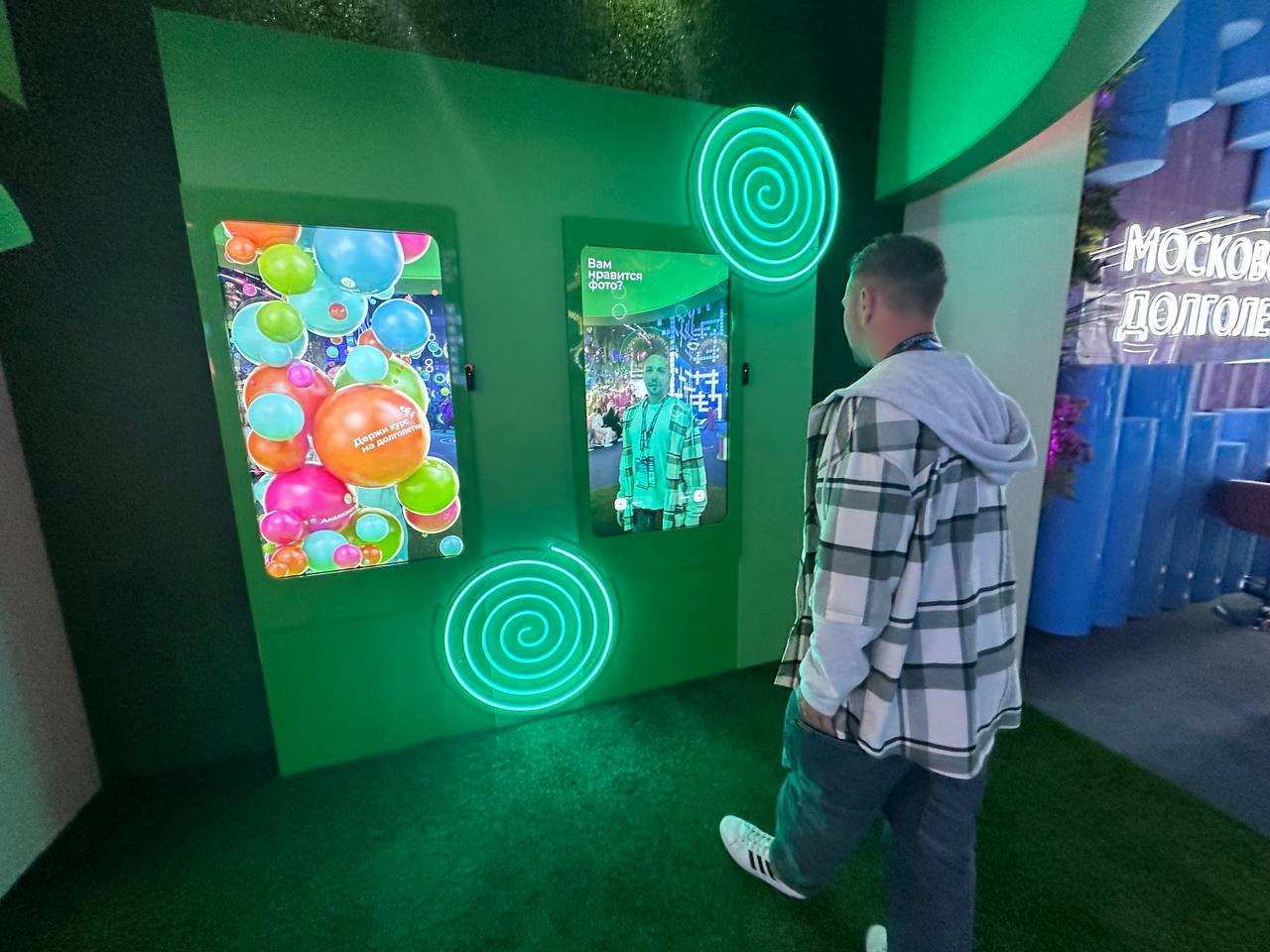
Technical solutions were used: a central composition on the ceiling of screens with multimedia content, interactive touch screens, naked eye displays, holographic fans, digital installations, mapping on the facade of Gostiny Dvor, and so on.
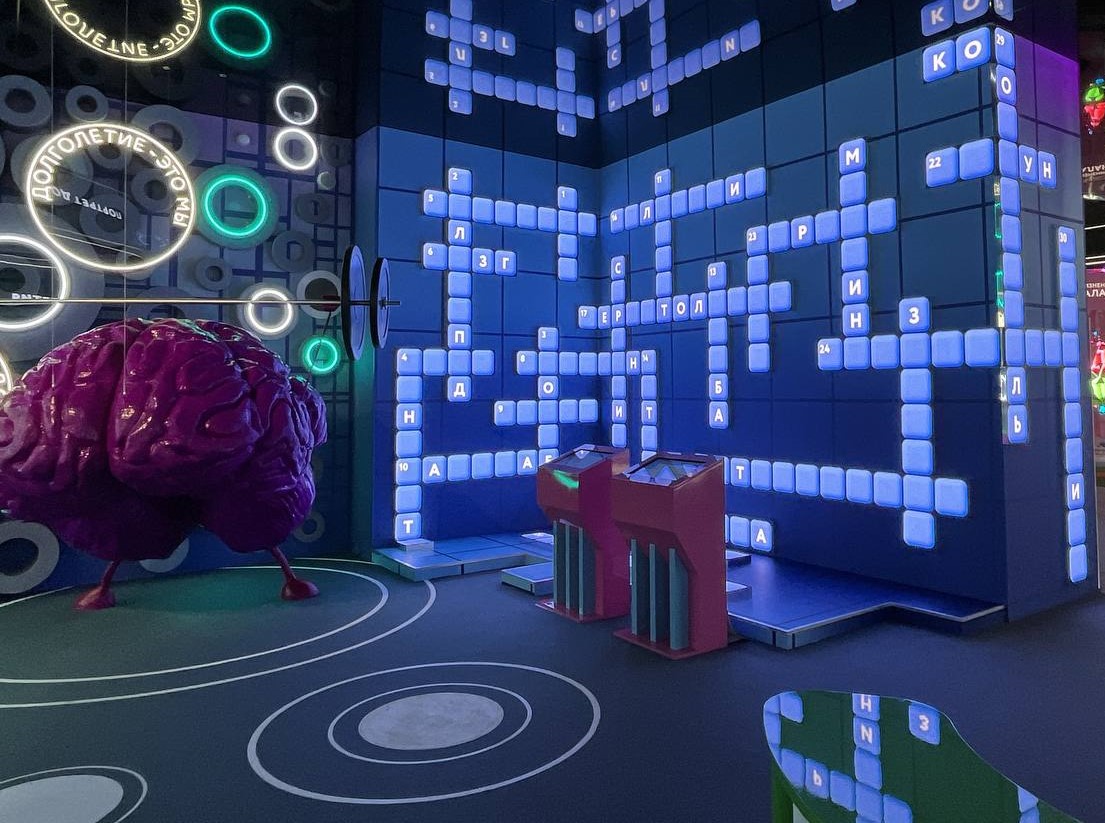
We have developed scenarios for interacting with visitors, including quizzes, games, and personalized digital effects. All areas were decorated with elements of urban navigation, which helped to navigate and intuitively immerse oneself in various aspects of urban life.
The main challenge was to attract the attention of various age and social groups. We have adapted the content to different audiences: from the youth to the older generation, creating variable interactive mechanics. Another challenge was structuring a large amount of information from city departments — we reworked the data into dynamic scenarios, adding game and visual elements.
The exhibition became an important part of the Moscow 2030 Forum festival, attracting 402,557 visitors. Due to the high level of engagement and active user interaction with the installations, the project has received wide coverage on social networks, confirming the effectiveness of the multimedia approach to the presentation of urban initiatives.