
Yitian Zeng, Shinga Yoshimine, Tianyi Zhang: Staying Curious and Open
/ Founders
by Elizabeth Lavis | 02 Sept 2026
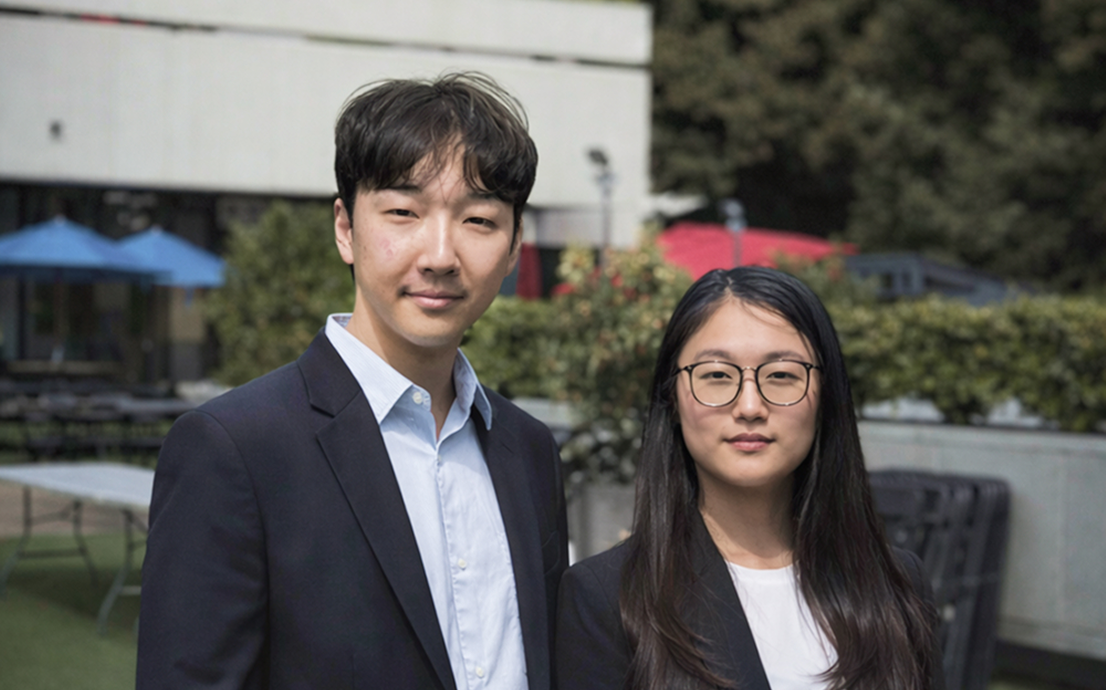

“Walking through each step, understanding why a certain choice works, and being able to explain the reasoning is what gives design real meaning”
Yitian Zeng, Shinga Yoshimine, and Tianyi Zhang are the inspired minds behind SHINGA Creative, a Sunnyvale, California-based company shaped by Silicon Valley’s fast-paced, problem-solving culture. Thanks to their proximity to big tech and diversity, SHINGA Creative manages to stay ahead of trends, embrace multiple perspectives, and design practical solutions for real-world challenges.
Shinga Yoshimine was born in Japan, a country he credits for inspiring his design philosophy. “Japanese culture deeply values aesthetics rooted in naturalism and simplicity,” he says. “This perspective continues to shape the way I approach design. It guides me towards minimalism that feels both intentional and impactful, where every detail serves a purpose and the overall experience remains clean, balanced, and meaningful.” His colleague Tianyi Zhang feels similarly about her home country of China. “I’m originally from Nanjing, a historic ancient capital that now thrives with modern culture,” she says. “Growing up surrounded by its art and history taught me to appreciate the balance between tradition and innovation. This has shaped my design approach, especially in storytelling, where I focus on making complex ideas easy to understand while keeping the work visually rich and meaningful.” Yitian (Chloe) Zeng also grew up in Wuhan, China.
Zeng builds trust quickly and firmly with clients by establishing herself as an empathetic and consistent professional. “For example, when working on an internal system for a nonprofit organization, I first spent time volunteering and experiencing their workflow firsthand,” she says. “Doing this showed them I cared about their mission, not just the project. From there, I kept communication open, iterated based on their feedback, and delivered a solution that improved their efficiency by over 50%. That process of listening, co-creating, and delivering built long-term trust.”
Zeng also balances strategy and creativity by seeing strategy as the anchor and creativity as the engine. “For example, in EcoEat, the strategy was to reduce food waste and make sharing easier,” she says. “Within that frame, creativity helped us design features like AI image recognition, recommendations, and animations that turned a chore into a joyful habit. The balance comes from letting strategy guide the direction and creativity shape the experience.”
Burnout comes with the territory, especially when balancing multiple projects. Zhang manages her stress by setting clear priorities and realistic timelines. “I use simple planning tools, take short breaks, and communicate openly with my team,” she says. “Switching between projects actually keeps me energized and often helps me see design problems in new ways.” She also stays apprised of the latest design trends by going to events and hanging out with her UX meetup group. “I also like trying new tools right away,” Zhang says. “Figma updates are a big one for me. Outside of design, I’m into photography and video editing on my YouTube channel, which keeps me practicing storytelling and gives me fresh ideas.”
Yoshimine believes that the most important part of any design is not just the outcome but the process behind it. “Walking through each step, understanding why a certain choice works, and being able to explain the reasoning is what gives design real meaning,” he says. “What I love most about my work is the moment when creativity truly sparks and the right direction becomes clear. That sense of clarity drives me forward with unstoppable energy. Once I find the idea, I become completely absorbed in the process. I’m so deeply engaged in bringing the concept to life.”
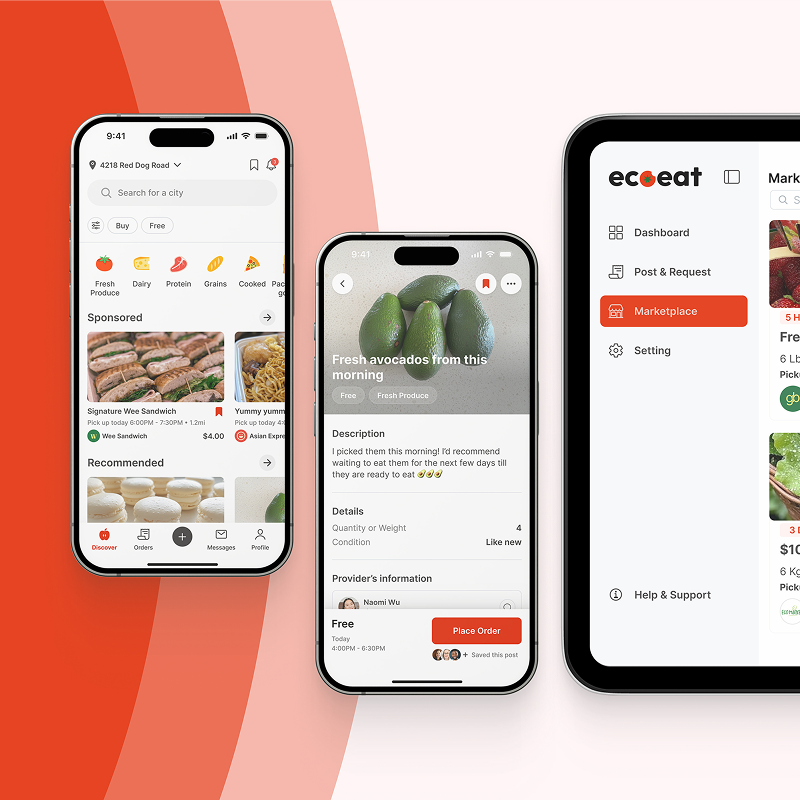
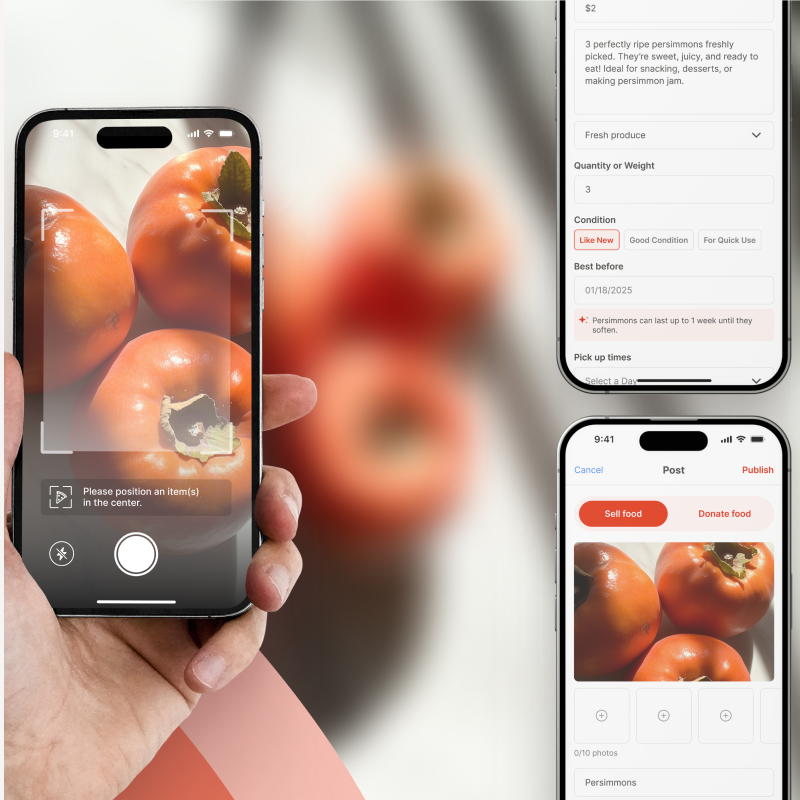
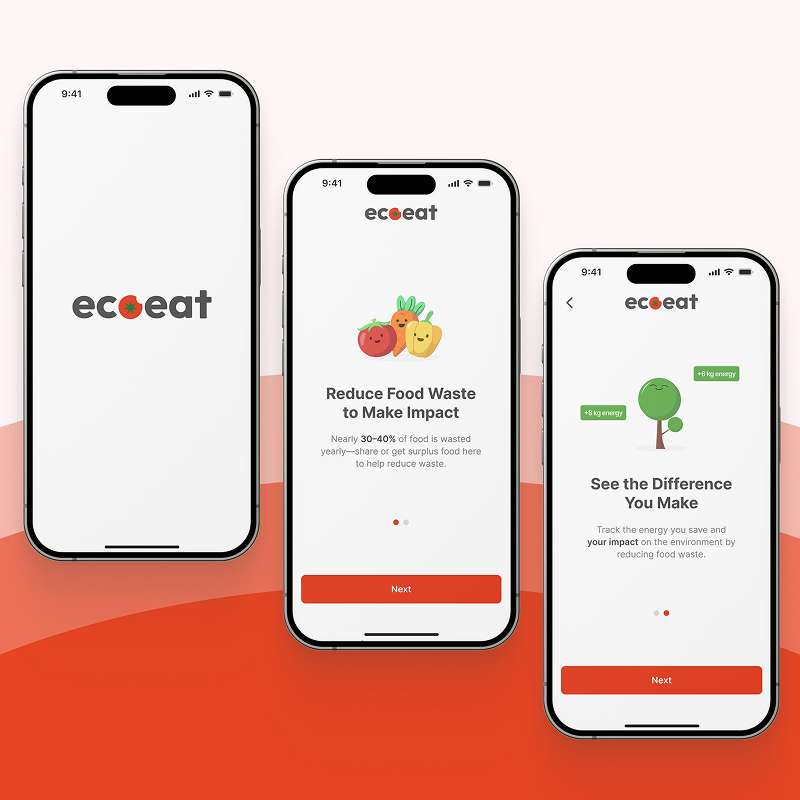
EcoEat